Childhood
Pre-1997
Abuse and abandoned in the streets
Tamoa Calzadilla
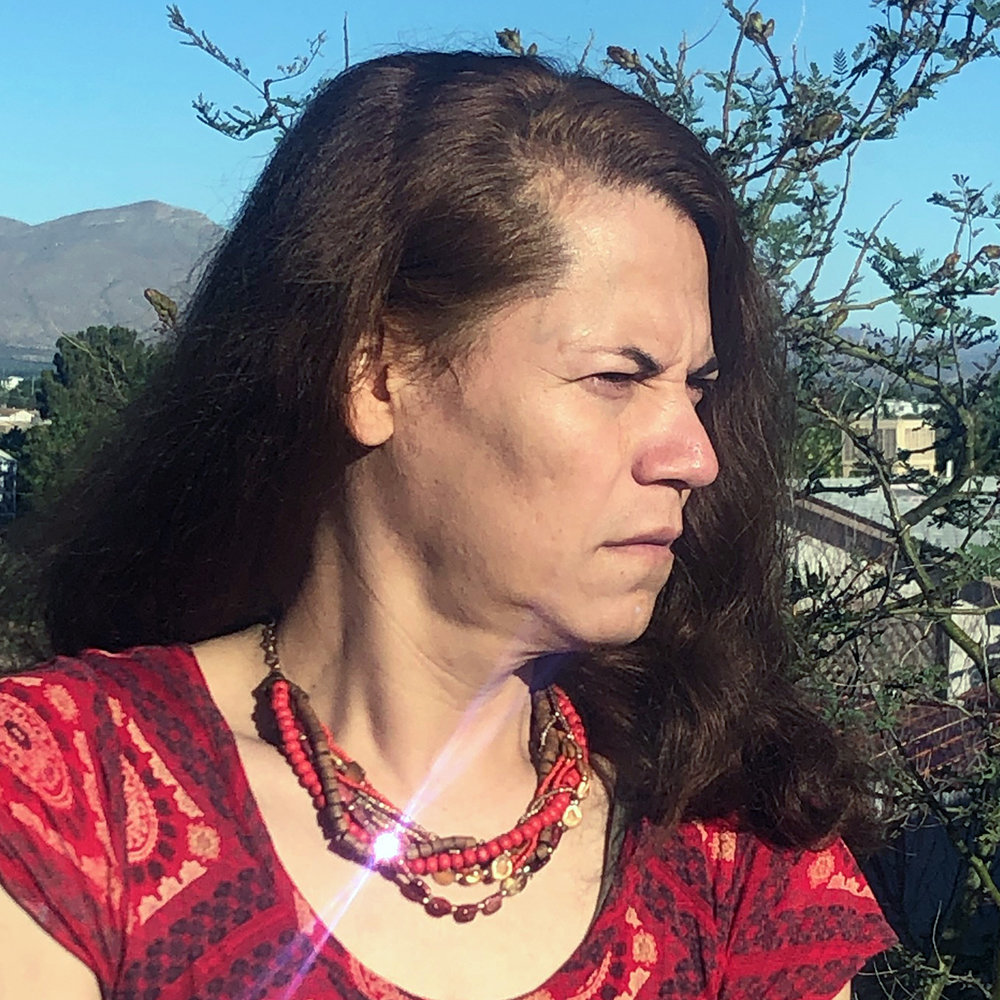
Dulce Rivera was born as José Antonio Rivera, on May 31, 1982. She does not know where, and has no birth papers. Her most distant memory places her on the streets of Honduras. Her father abandoned her at birth and she lost otuch with her mother, a prostitute who worked the streets. "We were gypsies and I only know that we were refugees, we came from another country, I'm not sure which." As a child she was abused and prostituted. She left Honduras in 1993.
Entry
.jpg.optimized.jpg.optimized.jpg)
1997 June 1
From Mexico to the United States
Tamoa Calzadilla
ICE documents record that Dulce Rivera entered the United States as a teenager without documents, via Santa Teresa, New Mexico. It was a dirt road like the one she looks out on from her neighborhood in Las Cruces.
Status
2001 July
Without a country or a family
Tamoa Calzadilla
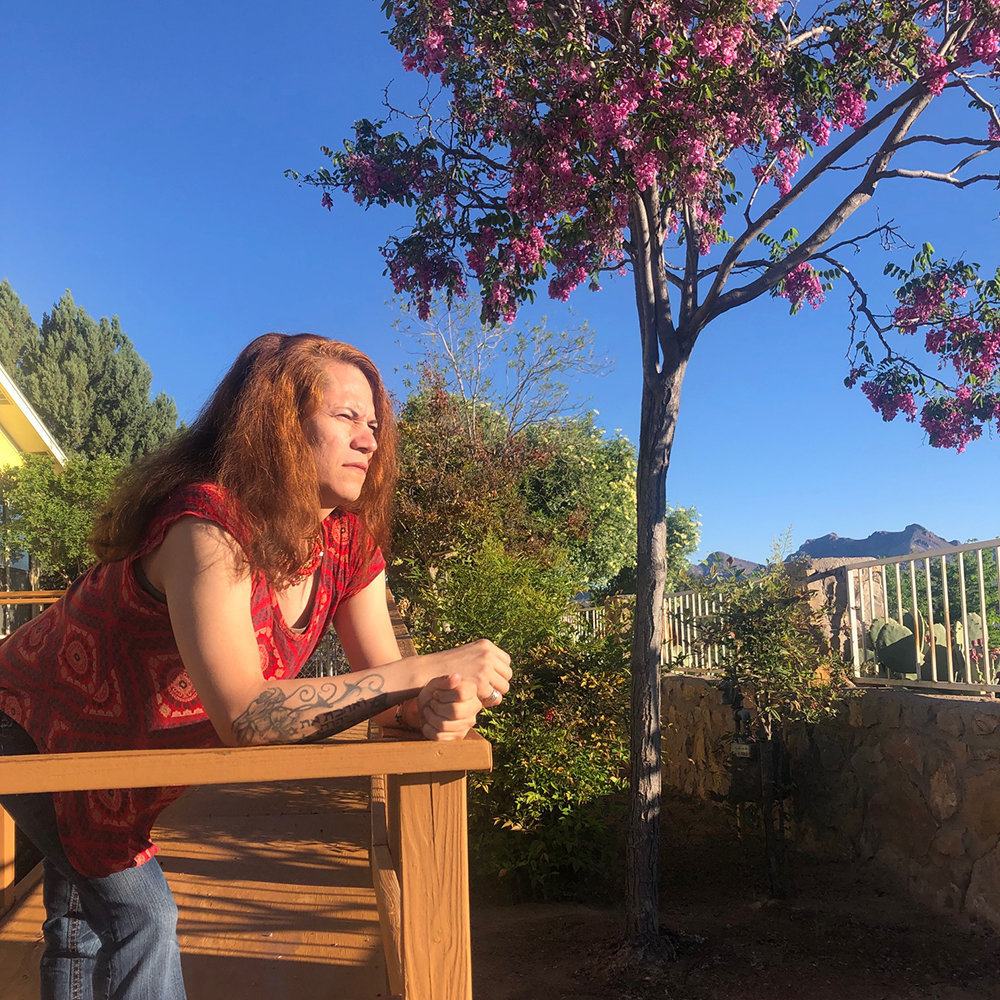
She adjusted her status to permanent resident under the category "Special Youth Immigrant." In 2003 she married a US citizen and had four children. The marriage ended in 2010. The UN is studying her case, and issued a statement saying the evidence so far leads to the conclusion that Dulce has no known country or origin, making her "stateless." Honduras has not issued her a travel document because it does not recognize her as one of its citizens.
Prison
2012 April
Out of the frying pan, into the fire
Tamoa Calzadilla
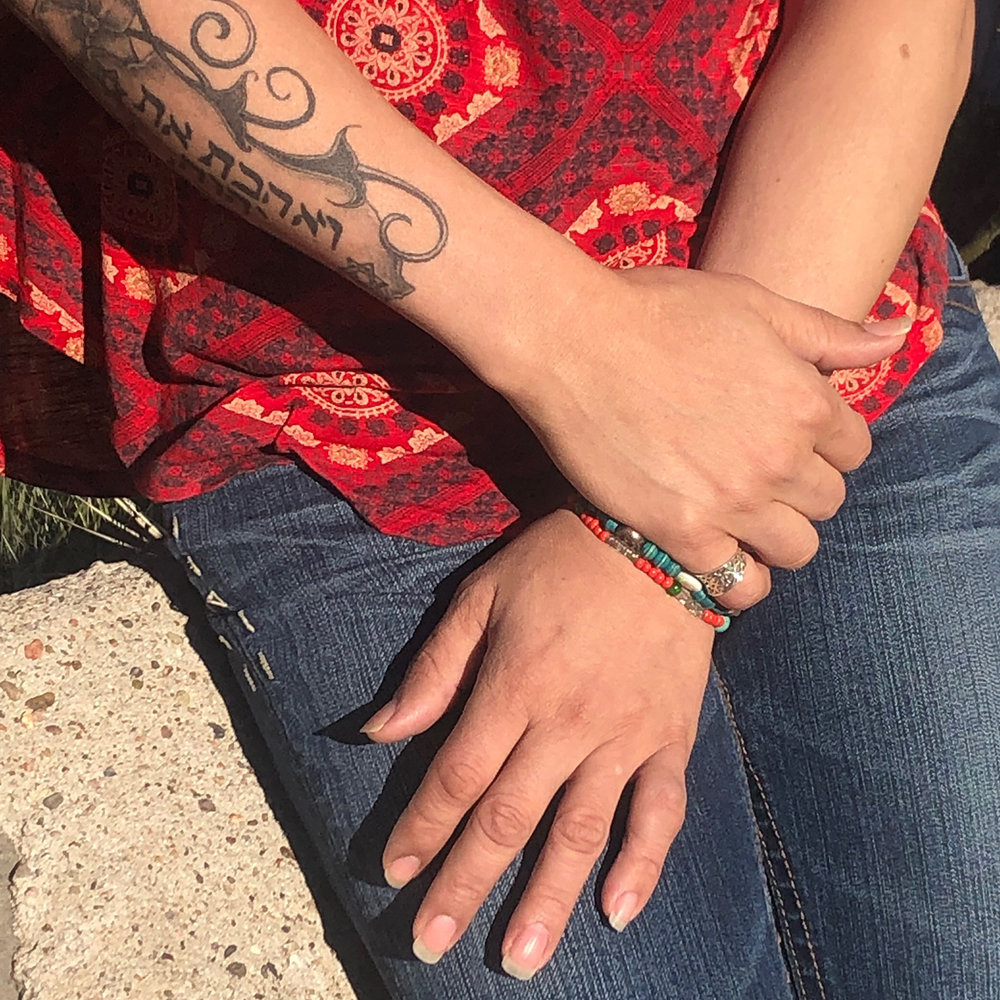
Rivera was found guilty of a second-degree robbery. She claimed to have been under the effect of drugs she was consuming at the time. Rivera left prison on August 29, 2017, but was transferred to an ICE immigration detention center.
Solitary confinement
2017 August 29
Cibola, New Mexico
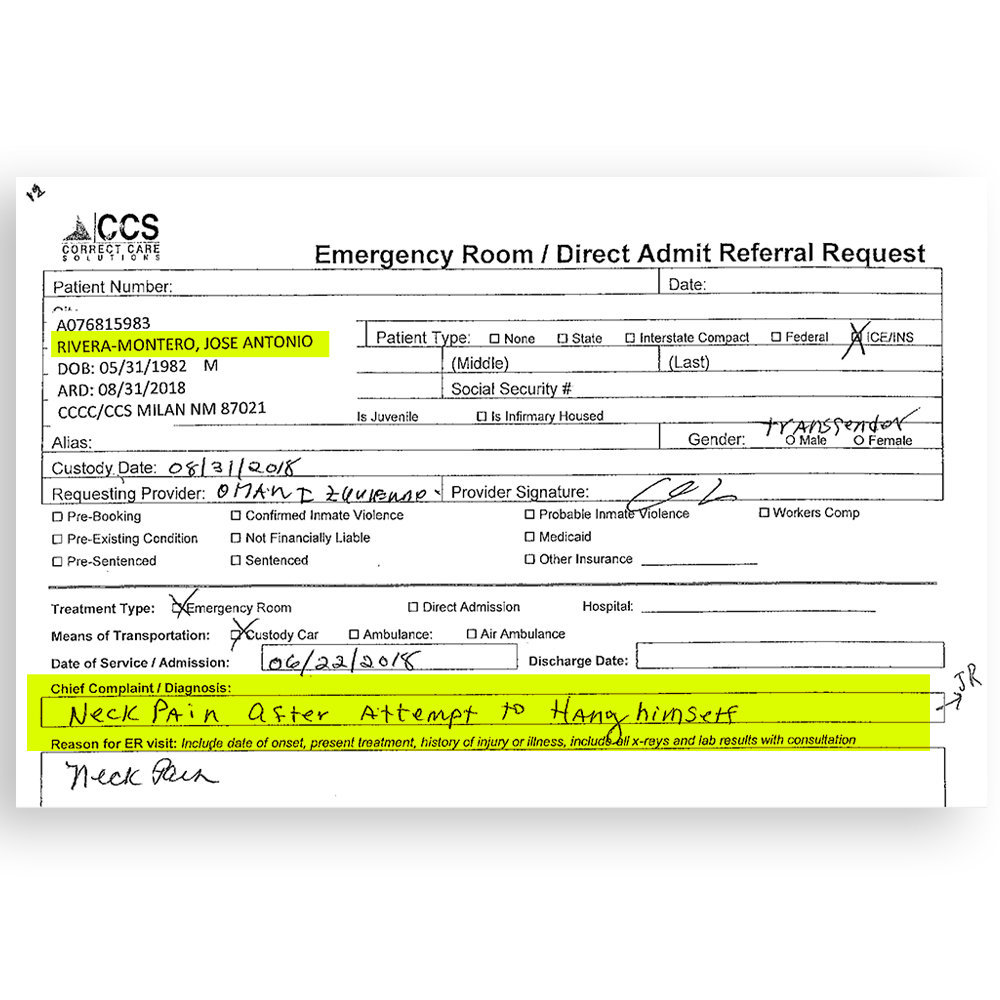
Rivera was finally assigned to the ICE detention center in Cibola County, New Mexico, on August 29, 2017. She was held in the general population for only two months, before she began to spend spells in "the hole", also knonw as she SHU (Special Housing Unit) without any apparent justification and "with false accusations" of violating the rules, according to Rivera. She says it was due to retaliation against multiple complaints she made about her treatment and "violations of our rights." Finally, on May 24, 2018 she was placed in segregation for her own "protection", she said. Although in Cibola there is a unit for the transgender and LGBT population, the authorities refused to let her be with them. ICE says officers offered Rivera the opportunity to leave the SHU and she refused. "That's because they wanted to take me to the male population and deny me my rights to be with transgender people." She tried to commit suicide on June 22, 2018 and was transferred to the hospital, but on the way back she was placed in solitary confinement. She left solitary in Cibola on August 8, 2018. But that wasn't the end of his solitary confinement.
More solitary in El Paso, Texas
2018 August 8
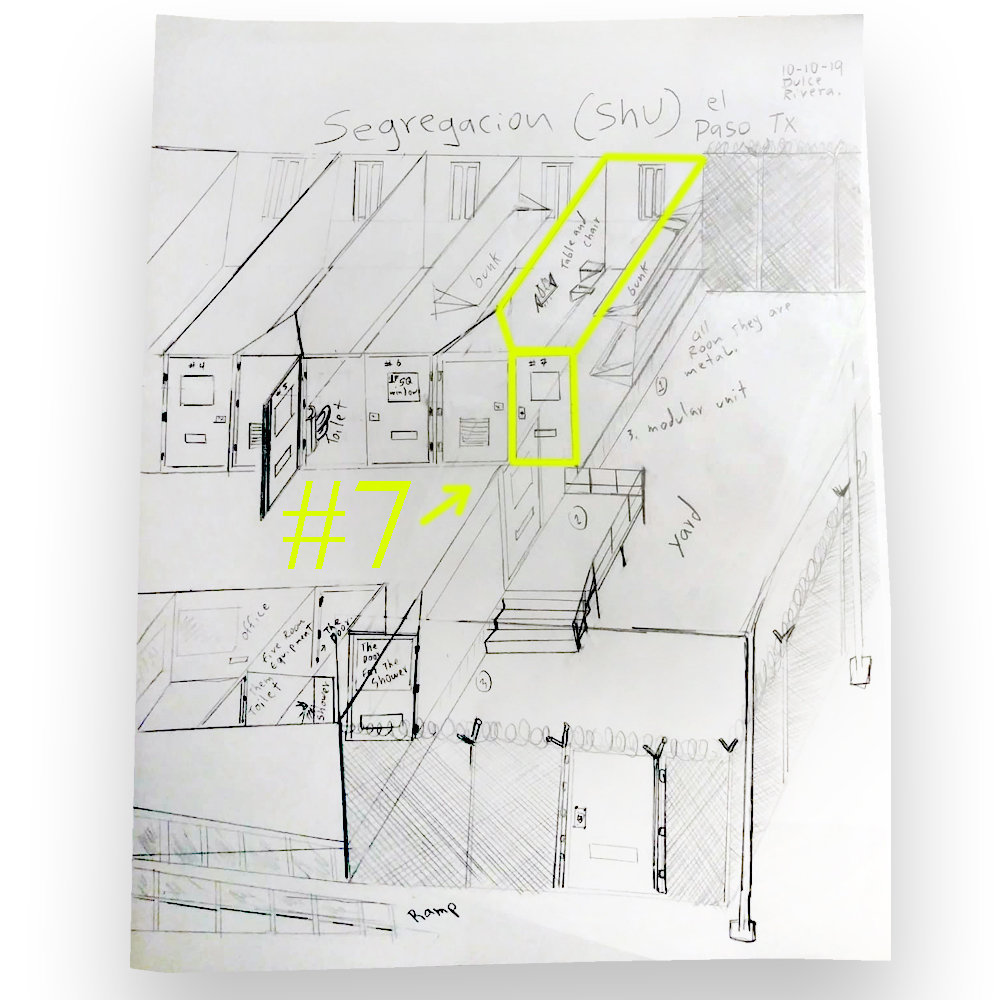
Cell No. 7 where Dulce lived
Dulce Rivera
Upon arriving at the new detention center, she was placed in a confinement space, completely alone. There she felt her mental health deteriorate. In total, she officially completed 11 months in solitary confinement cells, but she believes it was closer to a year and a half, including all the spells. On April 1, 2019, her attorney Wes Brockway wrote to authorities in El Paso, Texas, demanding the immediate release of Dulce, after showing she had surpassed the custody regulations in cases like hers and her inability to obtain travel documents.
Temporary refuge
2019 April 9
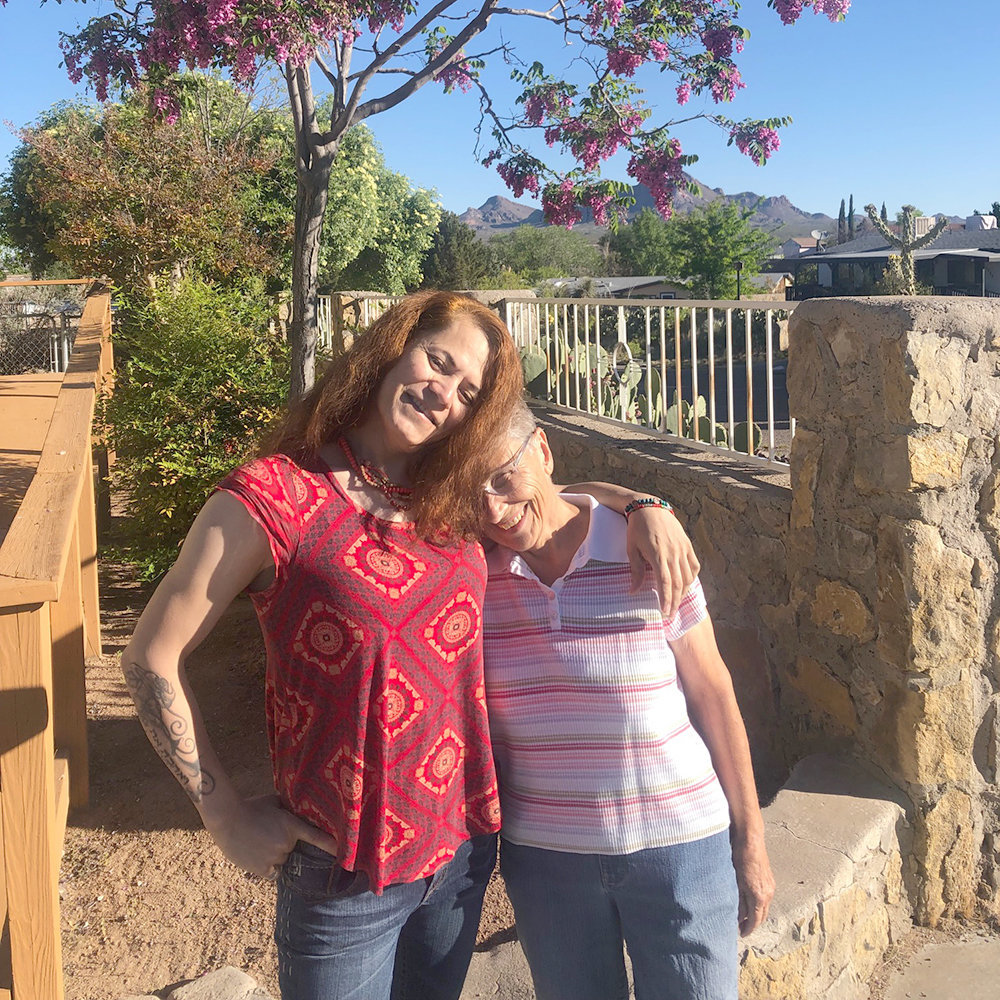
A volunteer visitor becomes her substitute mother
Tamoa Calzadilla
"They freed me!" Dulce Rivera shouted from the other end of the phone when she finally emerged, not only from the solitary confinement cell where she was one day short of completing eight months locked in a small space, without contact with anyone, suffering from hallucinations and the physical and mental consequences of her attempted suicide. Jan Thompson, a volunteer from the Avid organization, said she decided to sponsor her return to normal life and provide her a home "until she can fend for herself." Since then she has lived in Las Cruces, New Mexico. Meanwhile, her lawyer Wesley Brockway continues to represent her, along with her Santa Fe Dreamers Project group, in her asylum case as a stateless person not eligible for deportation.